MConverter
Convert between 500+ file formats in your browser. Documents, images, audio, video, ebooks — fast client-side conversion that doesn't upload your files to a server. Conversion runs client-side, so a confidential document is never uploaded anywhere to change format.
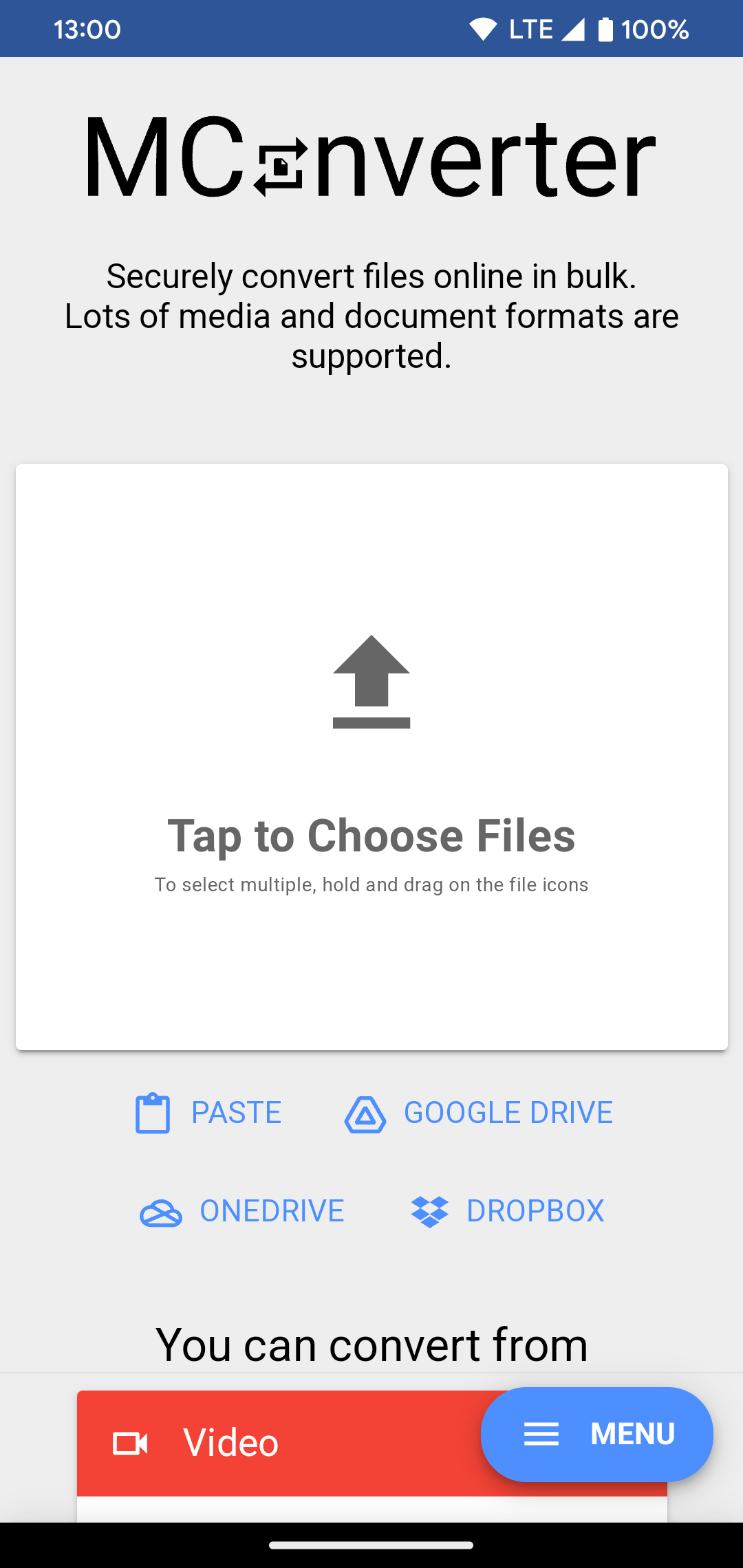
MConverter, as it opens in a browser tab.
Not sure how to add MConverter to your home screen? Step-by-step for Chrome, Safari, Firefox and Edge — it takes about ten seconds, and there is no app store involved.
Own MConverter? Have us re-run this measurement — we open it in a real browser, cut the network, and send you what survived.
How to install MConverter as a PWA
Screenshots
4 images · scroll →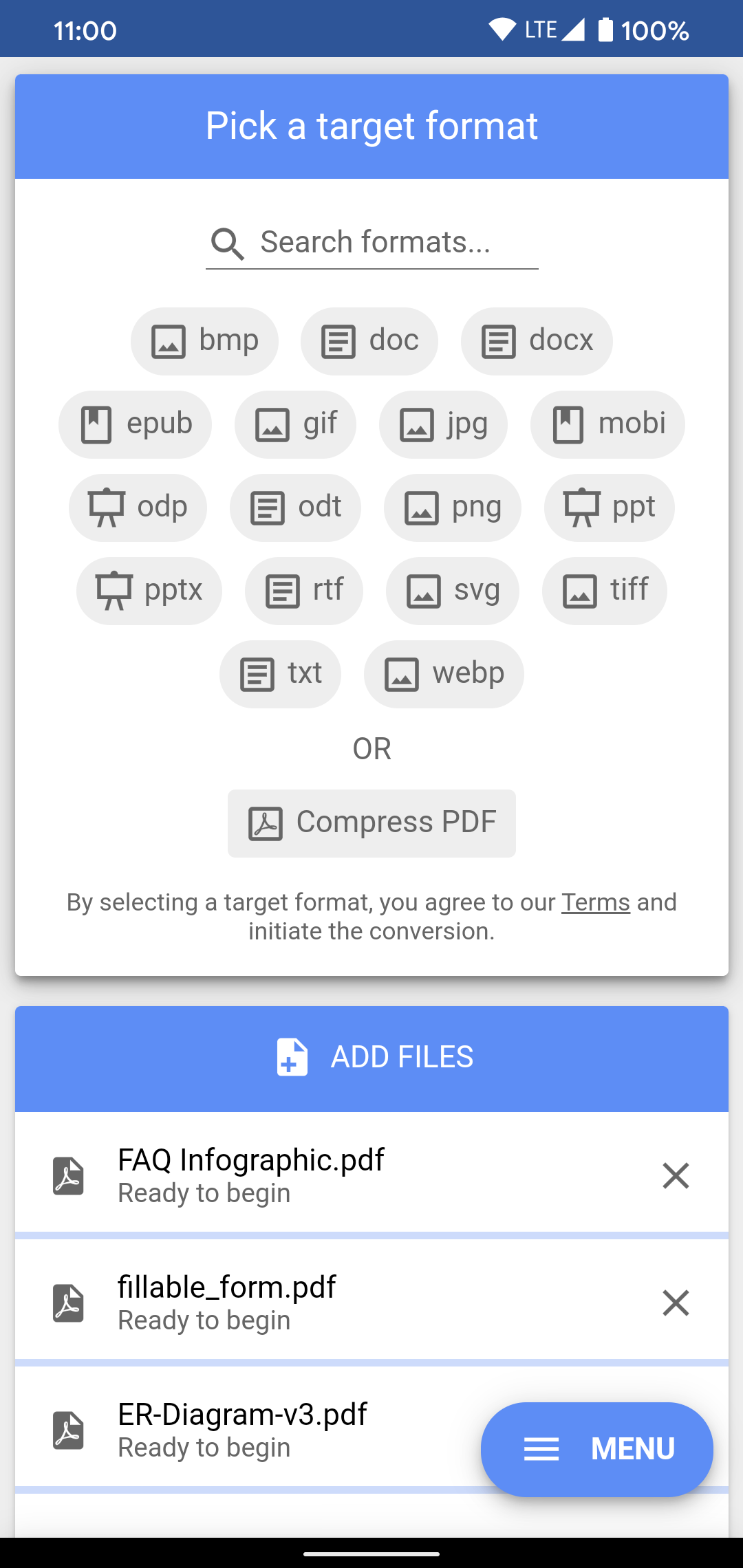
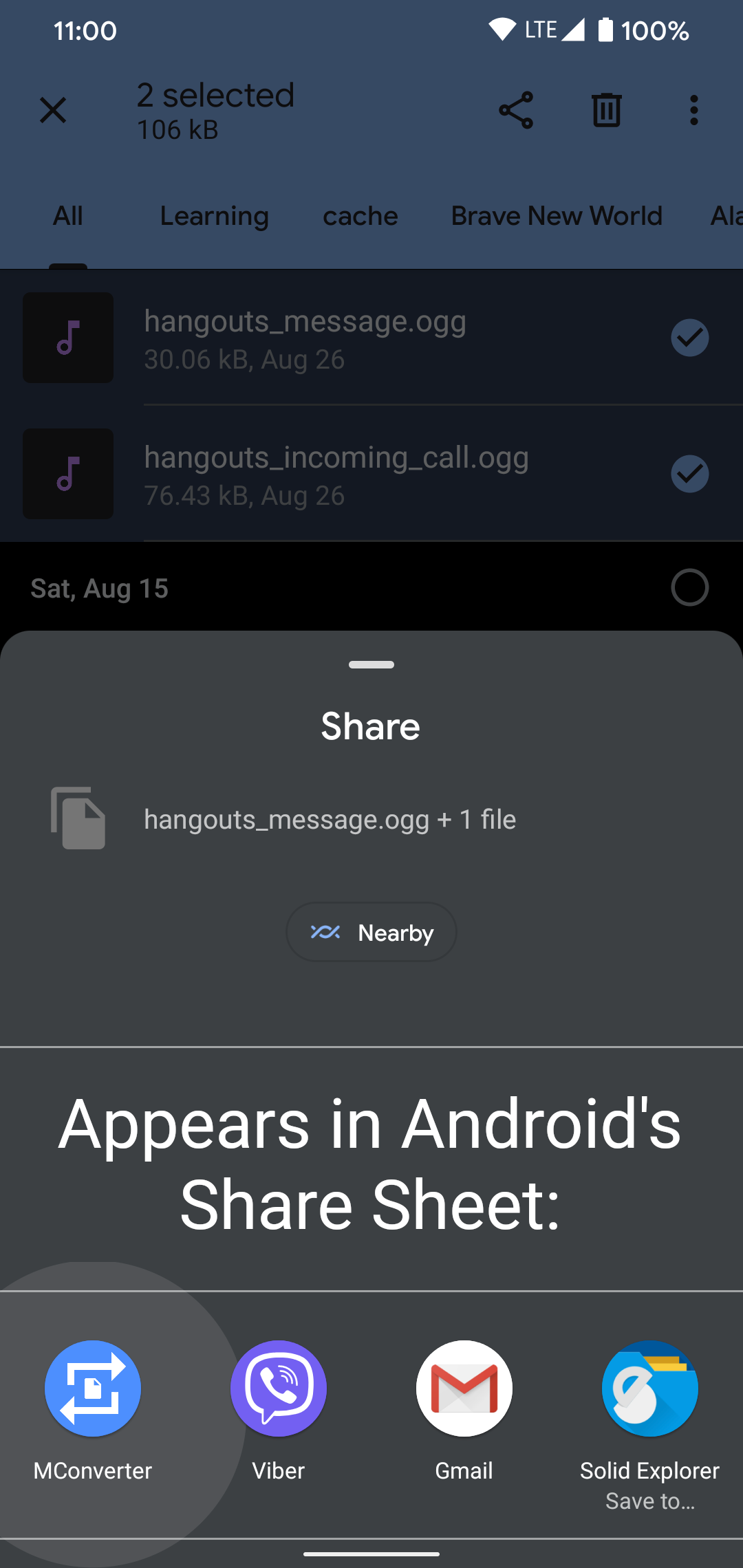
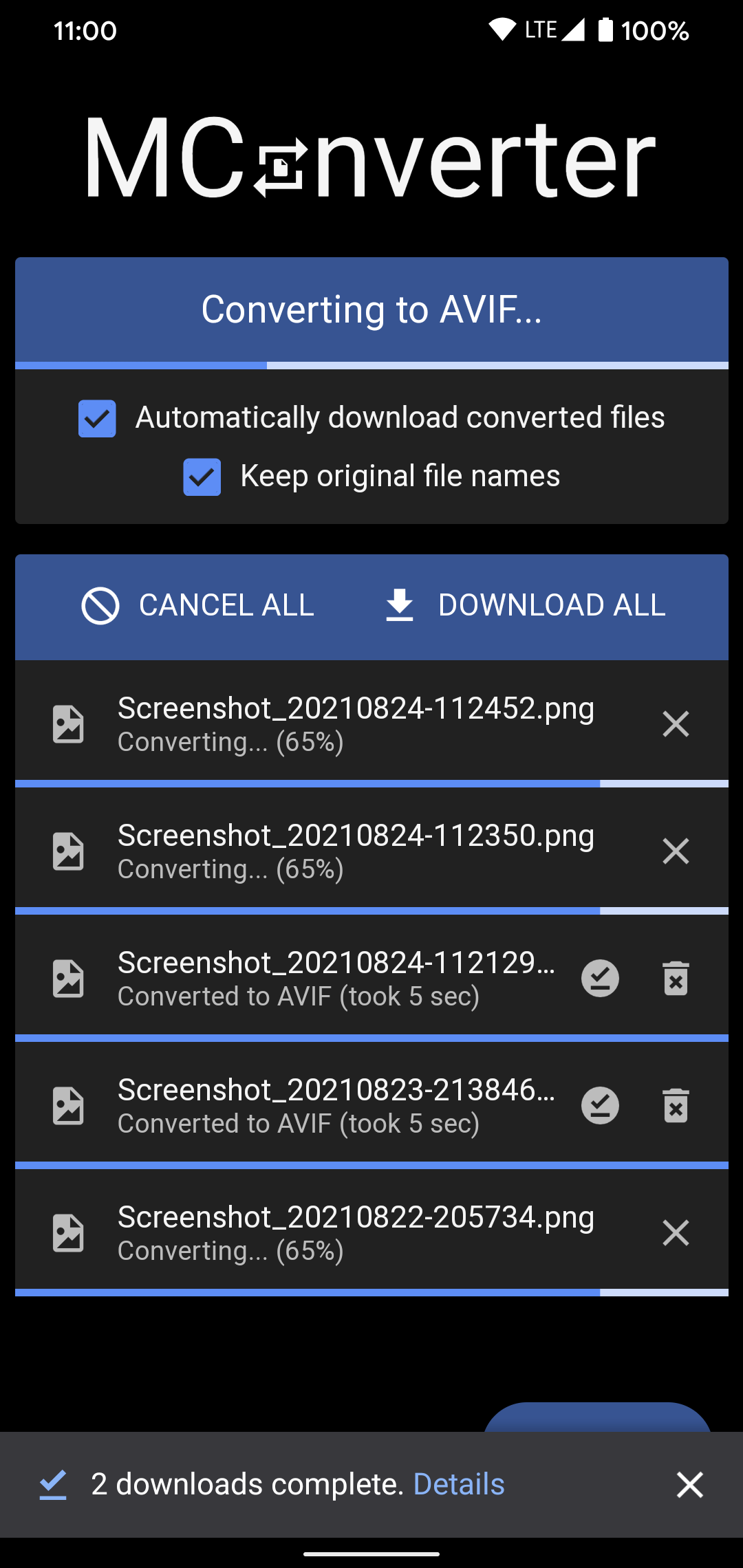
Are you the maker of MConverter? Claim this listing →
Similar to MConverter
PDFMinty is a privacy-first, browser-based PDF toolkit offering 22 tools for managing documents. Users can merge, split, compress, protect, convert, and edit PDFs directly in their browser. All processing occurs locally, ensuring files remain on your device, making it suitable for sensitive documents.

Open-source file conversion with the processing done on your device — images, audio and documents convert locally via WebAssembly with no size limits, no ads and no tracking; only heavy video jobs use a server. Ships a standalone PWA manifest with a full icon set, installing as a genuinely private converter app.

Free online audio editor. Cut, trim, and apply effects to audio files directly in your browser without uploading to a server. Supports MP3, WAV, OGG. Privacy-respecting.

Bulk image editing in your browser — resize, crop, convert, compress hundreds of images at once. All processing is local, no server uploads. A massive time-saver for content creators.
A Progressive Web App for viewing and converting DICOM files, the standard format for medical images such as X-rays, CT, and MRI scans. Useful for healthcare professionals, students, or patients who need to open or convert medical imaging files directly in a browser.
ImgMin is a free, privacy-focused online tool for compressing JPG, PNG, and WebP images. It performs all processing directly in your browser, ensuring no uploads and enhanced security. Reduce file sizes by up to 80% with adjustable quality settings and batch processing.
Own a PWA? See the listing options — standard submission is free.